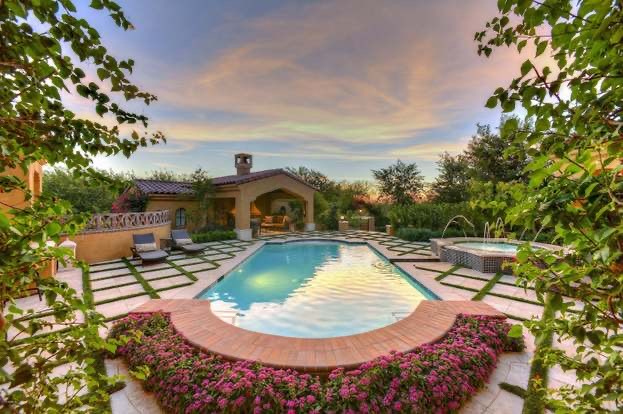
Desert landscaping in Scottsdale is about working with the environment rather than against it. The Sonoran Desert is one of the most biodiverse deserts on Earth, offering a rich palette of plants, textures, and colors that can create landscapes every bit as compelling as a traditional green lawn — while using a fraction of the water.
What Is Desert Landscaping?
Desert landscaping (also called xeriscaping) is a landscape approach that uses drought-tolerant plants, efficient irrigation, and natural materials suited to arid climates. In Scottsdale, this means designing with native and desert-adapted plants, decomposed granite or gravel groundcover, natural boulders, and efficient drip irrigation systems.
The key distinction: desert landscaping is not “no landscaping.” A well-designed desert landscape is intentional, layered, and visually striking. It just happens to use 50-75% less water than a traditional landscape.
Best Plants for Scottsdale Desert Landscapes
Trees
- Palo Verde — Arizona’s state tree. Beautiful yellow spring blooms, filtered shade, and minimal water needs.
- Ironwood — Slow-growing but long-lived. Purple spring flowers and excellent shade structure.
- Mesquite — Fast shade with graceful branching. Both native velvet mesquite and hybrid Chilean mesquite work well.
- Desert Willow — Showy trumpet flowers from spring through fall. Deciduous, so provides winter sun.
Shrubs and Accents
- Texas Sage — Purple blooms after summer rain. Extremely drought-tolerant once established.
- Red Bird of Paradise — Dramatic orange-red flowers all summer. One of Scottsdale’s most popular accent plants.
- Yellow Bells — Bright yellow trumpet flowers from spring to frost. Fast-growing and nearly indestructible.
- Ruellia — Purple flowers, spreading habit. Great for mass planting and borders.
Succulents and Cacti
- Agave — Architectural forms in dozens of varieties. Century plant (Agave americana) and blue agave are popular choices.
- Barrel Cactus — Golden spines and a compact form. Clusters create visual interest.
- Prickly Pear — Purple fruit, flat pads, and yellow flowers. Wildlife habitat value.
- Ocotillo — Dramatic vertical stems with bright red spring flowers. Native and iconic.
Water Conservation Strategies
Arizona’s water situation makes conservation a practical necessity. Here are proven strategies for Scottsdale properties:
Drip irrigation delivers water directly to plant root zones with minimal evaporation. Compared to traditional sprinklers, drip systems use 30-50% less water while keeping plants healthier.
Smart controllers with weather-based scheduling automatically adjust watering frequency based on temperature and rainfall. Many Scottsdale water utilities offer rebates on smart controller installations.
Mulch and rock groundcover reduces surface evaporation. In Scottsdale, decomposed granite (DG) in natural desert tones is the most common choice. A 2-3 inch layer significantly reduces water loss from soil.
Hydrozoning groups plants with similar water needs together. Desert-adapted plants in one zone, moderate-water plants near the home in another. This prevents overwatering drought-tolerant plants while ensuring thirstier plants get what they need.
Design Principles for Desert Landscapes
Layer your plantings. Place taller trees in back, mid-height shrubs in the middle, and low groundcovers and accents in front. This creates depth and visual interest.
Use boulders and natural stone. Arizona’s landscape is defined by its geology. Incorporating boulders, flagstone, and natural rock features ties your landscape to its surroundings.
Create focal points. A specimen agave, a group of golden barrel cacti, or a strategically placed boulder draws the eye and anchors the design.
Plan for shade. In Scottsdale’s summer heat, shade from trees and structures is essential. Design your landscape with shade in mind — both for plant health and for creating comfortable outdoor living areas.
Think seasonally. Choose plants that bloom at different times to ensure color throughout the year. Palo verde blooms in spring, bird of paradise in summer, and chrysanthemums in fall.
HOA Considerations in Scottsdale
Many Scottsdale communities have specific landscape guidelines. Common requirements include approved plant lists, rock color restrictions (often requiring natural desert tones), setback requirements for trees near sidewalks, and minimum landscape coverage percentages.
Before starting any landscape project, review your HOA’s CC&Rs for landscape requirements. PTL Landscaping Services works with HOAs throughout Scottsdale and can help navigate the approval process.
Getting Started
The best time to install a desert landscape in Scottsdale is during the cooler months — October through March — when plants establish roots without heat stress. However, hardscaping and irrigation work can happen year-round.
A professional landscape consultation helps you understand your property’s specific conditions and develop a plan that maximizes beauty while minimizing water use and maintenance.
Contact PTL Landscaping Services at (480) 717-7376 for a free on-site consultation. We’ll assess your property, discuss your vision, and create a plan that works for your home and your budget.
PTL Landscaping Services
Serving Scottsdale, Paradise Valley, Fountain Hills, and the greater Phoenix area with premium landscaping services.